 |


Boston, MA 02210, United States
Boston, Massachusetts
United States
| Name | pubscholars | |
| Telephone | 7042134266 | |
| pubscholarsgroup@gmail.com | ||
| Website | pubscholars.org |
Mental health is an essential part of overall well-being, and its importance continues to grow across healthcare, education, research, and society. As professionals explore new ways to understand psychological conditions and improve treatment, international scientific conferences provide valuable opportunities for learning, collaboration, and knowledge exchange.
The International Mental Health Conference 2026 is a relevant topic for psychiatrists, psychologists, researchers, healthcare professionals, educators, and students interested in the latest developments in mental health. These professional gatherings encourage discussions about psychiatric research, behavioral science, clinical practices, digital healthcare, and strategies for improving access to mental health services.
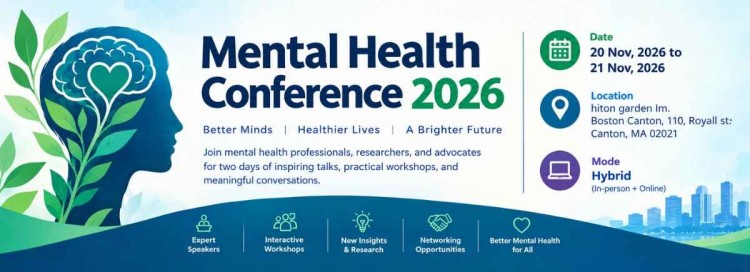
Organized by PubScholars, the Mental Health Conference 2026 is scheduled for November 20–21, 2026, in Canton, Massachusetts, USA. The event is listed as a hybrid conference, allowing participants to explore in-person and virtual attendance opportunities.
Why Is the International Mental Health Conference 2026 Important?
Mental health challenges affect people across different age groups, professions, and communities. Depression, anxiety, trauma-related conditions, and other psychological concerns require continued research, awareness, and access to appropriate care.
International conferences create an environment where professionals from different countries and disciplines can share research findings, discuss practical challenges, and explore new perspectives.
The International Mental Health Conference 2026 highlights the importance of:
-
Sharing scientific knowledge and research findings.
-
Exploring developments in psychology and psychiatry.
-
Discussing evidence-based mental health treatments.
-
Understanding emerging healthcare technologies.
-
Encouraging international research collaboration.
-
Improving awareness of psychological well-being.
-
Supporting professional and academic development.
These discussions can help participants understand current priorities in mental healthcare and identify opportunities for future research.
Mental Health Conference 2026: Event Details
The published event information includes the following details:
-
Event Name: Mental Health Conference 2026
-
Dates: November 20–21, 2026
-
Venue: Hilton Garden Inn Boston Canton, 110 Royall St, Canton, Massachusetts 02021, USA
-
Format: Hybrid conference
-
Organizer: PubScholars
-
Main Theme: Next-Generation Neuropsychiatry and Mental Health: Integrating AI, Genomics and Clinical Excellence
Participants should verify the latest event schedule, registration information, and attendance arrangements before making plans.
Major Research Areas in Mental Health
Mental healthcare involves several interconnected research disciplines. International scientific discussions can help professionals understand these areas and explore opportunities for improvement.
1. Psychology and Behavioral Science
Psychology examines human emotions, thoughts, behavior, and mental processes. Behavioral science contributes to understanding how individuals respond to their surroundings, relationships, and everyday experiences.
Research in these fields can support the development of better assessment methods, psychological interventions, and approaches to improving emotional well-being.
2. Psychiatry and Clinical Mental Healthcare
Psychiatry focuses on the assessment, diagnosis, prevention, and treatment of mental health conditions. Clinical research continues to investigate treatment effectiveness, patient outcomes, and approaches to improving psychiatric services.
Discussions among psychiatrists, psychologists, nurses, and researchers can encourage the exchange of clinical knowledge and support interdisciplinary learning.
3. Depression and Anxiety Research
Depression and anxiety are significant areas of mental health research. They can affect relationships, work, education, and everyday activities.
Researchers investigate contributing factors, early identification, treatment approaches, and strategies for improving access to professional support.
Conferences provide opportunities to discuss evidence-based interventions and explore how mental health services can respond to different individual needs.
4. Artificial Intelligence in Mental Healthcare
Artificial intelligence is becoming an important subject in healthcare research. Potential applications in mental health include digital screening, research analysis, clinical documentation, and selected patient-support technologies.
However, AI systems must be evaluated for accuracy, fairness, privacy, and reliability. Healthcare professionals should maintain appropriate oversight when using technology in clinical settings.
Exploring these developments can help researchers and practitioners understand how digital innovation may contribute to responsible mental healthcare.
5. Genomics and Personalized Mental Healthcare
Genomics research explores how genetic differences may influence biological processes and health outcomes. In mental health, researchers are studying how genetic information may contribute to understanding certain conditions and treatment responses.
Mental health is influenced by biological, psychological, environmental, and social factors. Therefore, genomic findings need to be interpreted carefully alongside other clinical information.
6. Child and Adolescent Mental Health
Children and adolescents experience different developmental and social challenges that can influence their emotional well-being.
Research in this area examines early identification, prevention, age-appropriate treatment, and the importance of supportive environments. Cooperation among parents, educators, healthcare professionals, and community organizations can help address mental health needs at an early stage.
7. Trauma and Psychological Recovery
Traumatic experiences may influence emotional health, behavior, and relationships. Trauma-informed approaches focus on safety, respect, trust, and understanding the possible effects of past experiences.
Researchers and mental health professionals continue to explore therapeutic interventions, recovery strategies, and ways to improve support for individuals affected by trauma.
8. Public Mental Health and Community Support
Mental healthcare accessibility remains a challenge in many regions. Financial limitations, social stigma, geographic barriers, and shortages of trained professionals can prevent individuals from receiving appropriate support.
Public health research explores awareness programs, community-based services, prevention strategies, and policies that can improve access to mental healthcare.
Who Should Attend an International Mental Health Conference?
The International Mental Health Conference 2026 may be relevant to professionals and students from various backgrounds, including:
-
Psychiatrists and clinical psychologists
-
Mental health counselors and therapists
-
Nurses and healthcare practitioners
-
Behavioral science researchers
-
University professors and academic professionals
-
Students and early-career researchers
-
Social workers and public health specialists
-
Mental health educators and advocates
The conference can provide an opportunity for participants to explore scientific discussions, share professional experiences, and identify potential areas for collaboration.
Benefits of Participating in an International Conference
Attending an international conference can offer several professional and academic benefits.
Knowledge exchange: Participants can learn about research developments and different approaches to mental health challenges.
Global networking: Connecting with professionals from different countries can encourage academic relationships and future research collaboration.
Research presentations: Eligible researchers may have opportunities to present their findings according to the conference's submission and acceptance guidelines.
Professional development: Attendees can explore new ideas, discuss clinical challenges, and identify areas for further learning.
Interdisciplinary collaboration: Mental healthcare involves psychology, psychiatry, neuroscience, technology, and public health. Collaboration across these fields can contribute to broader research perspectives.
Why Choose a Hybrid Mental Health Conference?
Hybrid conferences combine physical attendance with virtual participation. This format can make professional events more accessible to people who cannot travel internationally.
In-person attendees may benefit from direct conversations, networking, and face-to-face discussions. Virtual participants can join remotely and reduce travel-related expenses.
Before selecting an attendance option, participants should confirm which sessions are accessible online, whether recordings are available, and what networking opportunities are provided.
How to Prepare for the Mental Health Conference 2026
Preparation can help participants make the most of their conference experience.
-
Review the scientific program: Identify presentations and sessions that match your professional interests.
-
Prepare questions: Make a list of research topics or clinical challenges you would like to discuss.
-
Explore abstract submission: Researchers interested in presenting should review the submission criteria and deadlines.
-
Plan networking activities: Consider which professionals or research groups you would like to connect with.
-
Confirm registration: Review the fees, attendance categories, and participation requirements.
-
Organize travel arrangements: In-person attendees should confirm accommodation, transportation, and venue information in advance.
The organizer's published information lists November 20, 2026, as the final registration date. Participants should check the latest announcements to confirm deadlines and availability.
Frequently Asked Questions
What is the International Mental Health Conference 2026?
It is a professional conference topic focused on mental health research, psychology, psychiatry, clinical practice, and scientific developments. The PubScholars Mental Health Conference 2026 is one event listed for professionals interested in these areas.
When will the Mental Health Conference 2026 take place?
The published dates are November 20–21, 2026.
Where is the conference scheduled?
The listed venue is Hilton Garden Inn Boston Canton, Canton, Massachusetts, USA.
Who can attend the conference?
Psychiatrists, psychologists, researchers, counselors, healthcare professionals, educators, and students interested in mental health may find the event relevant. Participants should verify registration eligibility with the organizer.
What are the main conference topics?
The published theme focuses on next-generation neuropsychiatry and mental health, including artificial intelligence, genomics, and clinical excellence.
Is virtual participation available?
The event is listed as a hybrid conference. Participants should confirm the virtual attendance options and session access arrangements before registering.
Why attend an international mental health conference?
International conferences provide opportunities to exchange knowledge, explore scientific developments, connect with professionals, and discuss research and clinical challenges.
Conclusion
The International Mental Health Conference 2026 reflects the growing importance of global collaboration in psychology, psychiatry, and mental healthcare. Scientific conferences encourage professionals to exchange research findings, explore emerging technologies, and discuss practical approaches to improving psychological well-being.
The PubScholars Mental Health Conference 2026 is scheduled for November 20–21 in Canton, Massachusetts, with a hybrid format listed by the organizer. Professionals, researchers, and students interested in mental health developments can review the event information and consider whether its scientific program aligns with their goals.
Continued research, professional education, and international cooperation are important for building a stronger understanding of mental health and supporting better healthcare opportunities worldwide.
|
Empty
|
|
Empty
|

|
Empty
|